Mold and Moisture Problems in North Idaho and Eastern Washington: Real Answers When Your Building Misbehaves
If you've found this page, something is wrong with your house and you can't figure out what it is.
-
Maybe you've cleaned the mold multiple times and it keeps coming back.
-
Maybe you have kids and you're scared mold might affect their health.
-
Maybe you've had a handful of contractors out and nobody has given you a straight answer.
You're in the right place.
This page covers what homeowners in North Idaho and Eastern Washington need to know about mold, moisture, and the hidden building problems that cause both.
No sales pitch. No remediation angle. Just straight answers about what’s actually going on in your home from someone who’s spent decades diagnosing these problems.
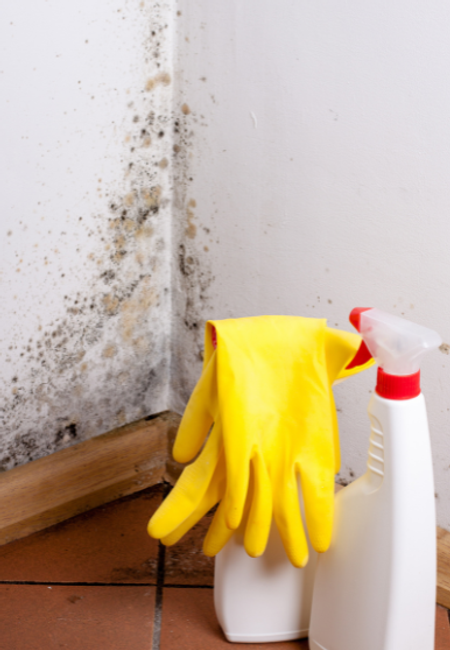
The One Thing Most Homeowners Get Wrong
Mold is not the problem.
Moisture is the problem. Mold is just what happens when moisture goes unaddressed.
This distinction matters more than anything else on this page, because it determines whether your mold problem gets fixed permanently or just temporarily.
When you clean mold off a surface, even if you do it correctly, you have not fixed anything. You've removed the visible symptom.
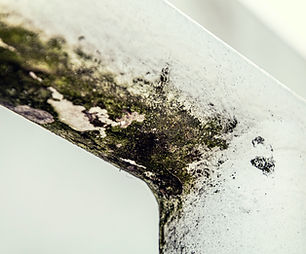
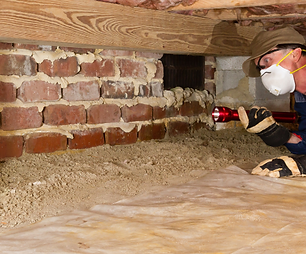

Moisture problems in homes can come from several places: roof leaks, plumbing leaks, groundwater, crawl spaces, poor ventilation, air leaks, or condensation. Sometimes the source is liquid water. Sometimes it is moisture carried in the air. Often, it is both.
Condensation happens when air carrying moisture touches a surface that is cold enough to fall below the dew point. That surface pulls moisture out of the air and turns it into liquid water. This is why mold often shows up around windows, exterior walls, attic sheathing, and cold corners.
The important question is not just where the mold is. The important question is what is allowing that area to stay damp long enough for mold to grow.


Every mold problem is a moisture problem first. Find the moisture source, eliminate it, and the mold problem goes away. Skip that step, and nothing you do will be permanent.
Why This Is So Common in North Idaho and Eastern Washington
Homes in the Coeur d’Alene and Spokane region deal with conditions that make moisture problems more likely.
Homes near large bodies of water like Coeur d’Alene Lake can experience slightly higher local humidity, especially in certain weather conditions. In those cases, condensation on cooler surfaces can become more likely. However, most moisture problems are driven by building performance, not proximity to the lake.
Freeze-thaw cycles.
New construction and tight building envelopes.
For much of the year, interior air is warmer and holds moisture while exterior surfaces and building components are cold. When that warm air contacts cold surfaces, condensation forms. Seasonal temperature swings also create repeated wetting and drying cycles in building materials.
Newer homes are built to be more energy efficient and airtight. That keeps heat in, but it also keeps moisture in if ventilation is not properly designed or balanced.
Relocating homeowners unfamiliar with the climate.
Crawl Spaces
A large percentage of North Idaho's recent population growth has come from California, Washington, and other states with different climates. Homeowners accustomed to drier climates are often caught off guard by the moisture behavior of homes in this region.
Crawl spaces are common in this region and are a major moisture source. Ground moisture can move into the structure and living space if vapor barriers, drainage, or ventilation are not properly managed.
Common Mold and Moisture Problems We See
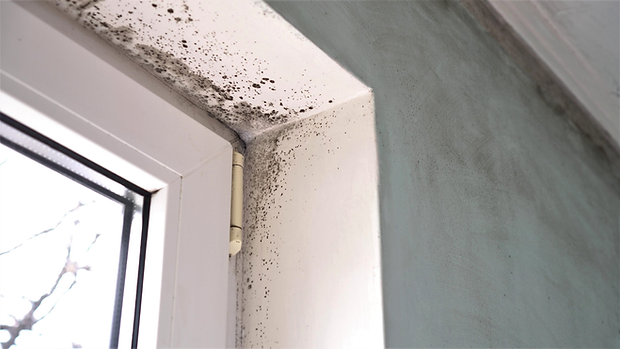
Mold Around Windows
Most people assume their windows are leaking. In most cases, they are not.
What you are seeing is condensation.
Warm air inside the home carries moisture. When that air contacts a cooler surface like glass or framing, and that surface is below the dew point, moisture forms on it.
That is why you see water on windows in the winter.
It is also why mold loves windows.
The issue is not the window itself. It is the combination of interior humidity and cold surfaces.
Cleaning it does nothing if those conditions are still there.
Mold in Attics
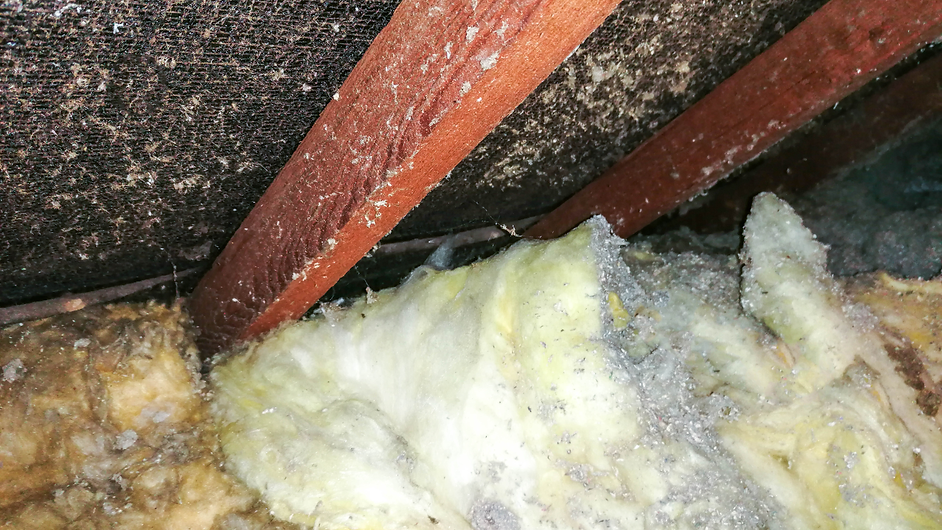
Attic mold is extremely common in this region and is almost always the result of one of three things: inadequate attic ventilation, bathroom or kitchen exhaust fans that vent into the attic instead of to the exterior, or air leaks in the ceiling that allow warm moist air from the living space to contact cold attic surfaces.
New construction is not immune. In fact, new homes frequently develop attic mold within the first few years because of construction moisture trapped in framing lumber, or because ventilation systems were designed inadequately for the actual performance of the building envelope.
Mold in Crawl Spaces
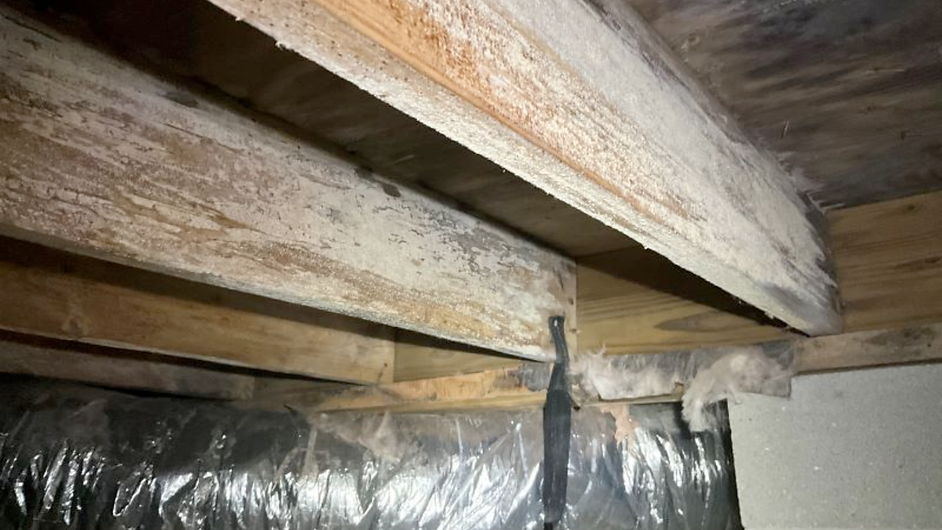
Ground moisture evaporates continuously under a home with an unencapsulated crawl space. That moisture migrates up into the floor framing, subfloor, and living space. In addition to causing mold and rot in structural components, crawl space moisture is a significant contributor to poor indoor air quality throughout the home.
Many homeowners don't know they have a crawl space mold problem because they never go down there. An infrared inspection can identify cold, moisture-laden areas of the floor assembly from inside the living space without requiring access to the crawl space itself.
Moisture Nobody Can Find
This is CDA's specialty. A homeowner has had contractors, HVAC technicians, roofers, and plumbers through their house. Everyone has a theory. Nobody has fixed it. The problem persists.
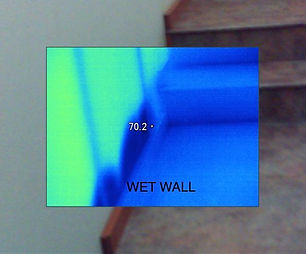
In most of these cases, the moisture source is hidden, inside a wall cavity, inside the building envelope, or in a location that cannot be identified by visual inspection alone.
What Infrared Thermal Imaging Actually Does
Infrared thermal imaging is not magic.
It is physics.


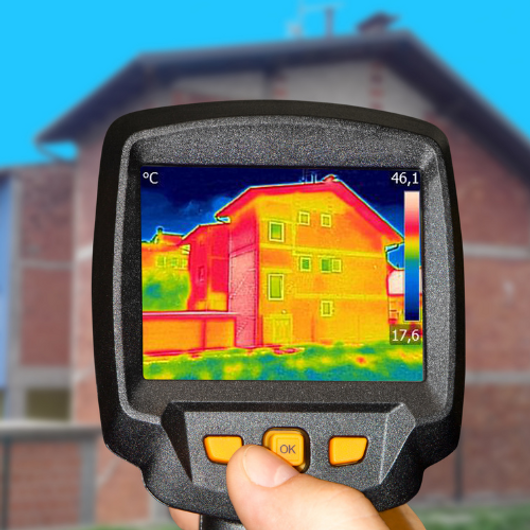
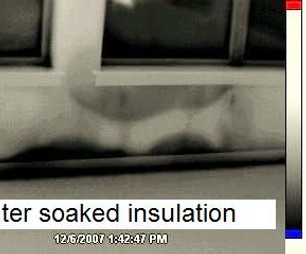
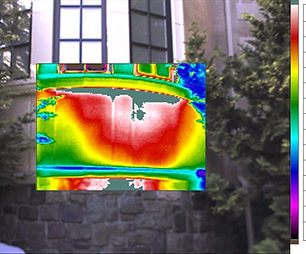
Every surface in a building emits infrared radiation at a rate determined by its temperature. A calibrated thermal imaging camera captures those temperature differentials and renders them as a visible image.
Because moisture changes the thermal behavior of building materials, wet materials hold temperature differently than dry materials, an infrared camera can identify areas of moisture presence inside walls, ceilings, floors, and roof assemblies that are completely invisible to the naked eye.
This is not point-and-shoot technology.

An infrared camera in the hands of someone without deep building science training produces images that are easy to misinterpret. You need to understand heat transfer, building envelope physics, and construction methods to read a thermogram correctly. This is why the certification levels in thermography exist, and why the difference between a Level I and a Level III thermographer is significant.
Brent Foster is a Certified Level III Building Science Thermographer, the highest certification level in the field, with 13 years of prior experience as a certified building inspector before specializing in thermography. He has inspected thousands of residential, multifamily, and commercial buildings throughout Washington and Idaho.
When Brent conducts an infrared inspection, he is not just operating a camera. He is reading the building as a system, correlating thermal anomalies with construction details, building history, occupancy patterns, and climate conditions to develop an accurate diagnosis of what is actually happening and why.


You Can't Fix What You Can't Identify
What We Do and What We Don't Do
CDA does not perform any repairs, nor do we sell products, or perform destructive discovery so there is NEVER a conflict of interest.
Contractors: In many cases we are referred by contractors in many fields that are called upon to diagnose issues that they are not familiar with.
Even though we are certified home inspectors, we do not offer home inspection services for purchase and sale.